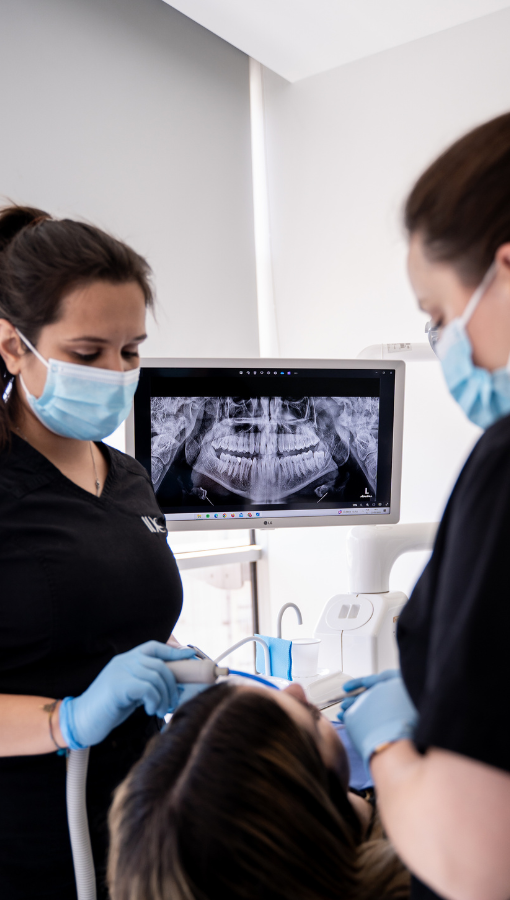
Endodontics, also known as root canal treatment, is a procedure that treats infections inside the tooth and preserves the dental structure. When the pulp (the soft tissue inside the tooth) becomes damaged by deep cavities, trauma or inflammation, it must be removed and the canals sealed to prevent the infection from progressing.
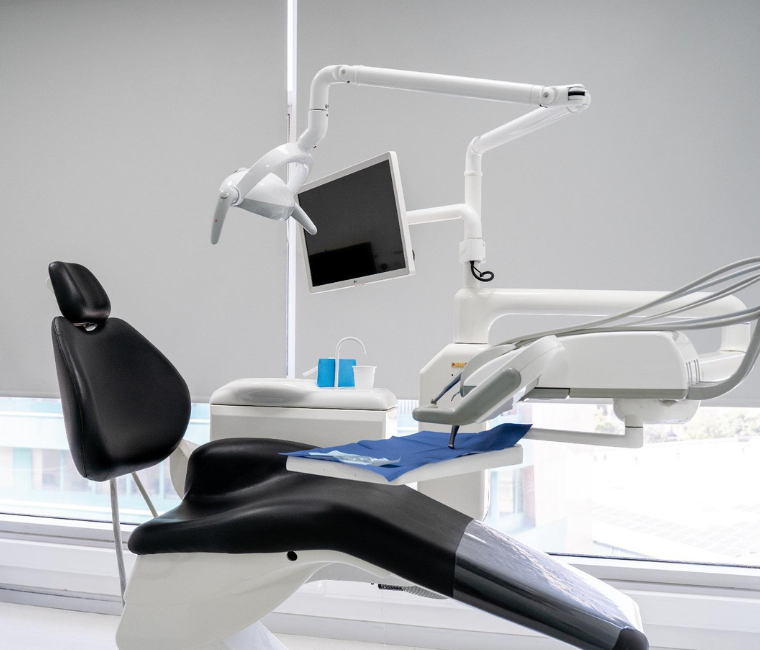
At IDC.Clinic, this treatment is performed by experienced dentists using modern technologies, ensuring a conservative, precise and comfortable approach for the patient.
Book appointment
Endodontics is indicated for people who present symptoms or clinical situations such as:
This treatment makes it possible to preserve the tooth even in cases where the infection has reached deeper tissues, offering an effective alternative to extraction.
Book appointmentEndodontics offers long-term benefits and is one of the most effective ways to preserve the natural tooth and avoid more invasive procedures:

This procedure is often the last line of defense before permanent tooth loss — which is why timely intervention is essential.
After endodontic treatment, it is essential to follow certain guidelines to ensure healing and long-term success:
Following these recommendations helps to consolidate the results and keep the treated tooth functional and stable for many years.
Endodontic treatment follows a structured and careful approach to eliminate infection and preserve the natural tooth. At IDC.Clinic, the process is performed with modern instruments and controlled irrigation techniques to ensure efficacy and patient comfort.
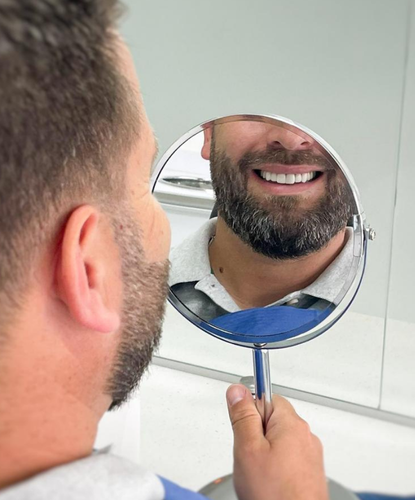
At IDC.Clinic, we combine clinical precision, modern technology and high-quality care to ensure durable, comfortable results. Would you like to see real success cases? Explore our clinical gallery.
Whether it’s a one-off injury or a more comprehensive oral rehabilitation plan, we’ll assess your case with personalized attention. Schedule your appointment and recover the function and aesthetics of your smile with confidence.
Results
No. Endodontic treatment is performed under local anesthesia. After the procedure, slight sensitivity may occur, but the pain is eliminated.
Most cases are completed in a single session. More complex situations may require two or more appointments.
Yes, which is why a crown is often recommended to protect the tooth in the long term.
It is rare but possible if the infection has not been completely eliminated. Clinical follow-up helps to prevent or treat such situations.
The infection may spread, cause severe pain, lead to abscesses and result in the permanent loss of the tooth.
With proper care and restoration, a treated tooth can last many years — or even a lifetime.
Yes. Treated teeth can support crowns, veneers, or be included in broader oral rehabilitation plans without limitations.