intro

Chemical peeling with Photobiodynamic Therapy

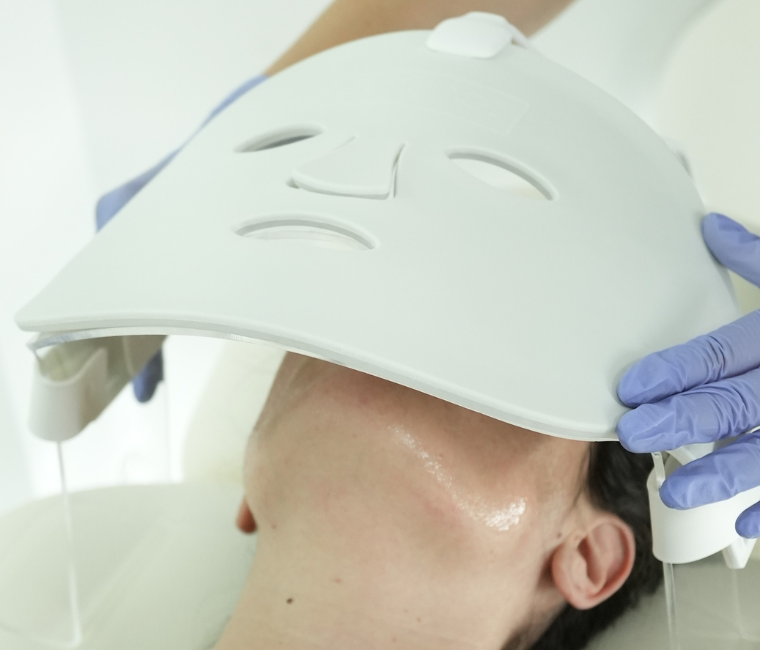
Chemical peeling with the help of photobiodynamic therapy is a non-invasive technique that consists of applying specific photosensitizing chemicals to the skin, which will subsequently be activated by the emission of LED light. This technique promotes cellular biostimulation, treating various skin conditions effectively, safely and without recovery time.


The main objective is to accelerate the cell renewal process, normalize skin pigmentation, reduce fine wrinkles and attenuate imperfections. The result is smoother, brighter and rejuvenated skin – with visible improvement in texture, tone and overall appearance of the skin.

Book appointment

Indications

How is the treatment performed?

The treatment lasts 35 to 45 minutes and begins with the application of a chemical peel, chosen according to the skin type and clinical goals, which is activated by an LED light mask with a wavelength adjusted to the patient’s needs.


The procedure is painless and non-invasive, allowing for an immediate return to the daily routine. An average of 3 to 6 sessions are recommended, with intervals defined by the professional, to ensure progressive and lasting results.

Book appointment
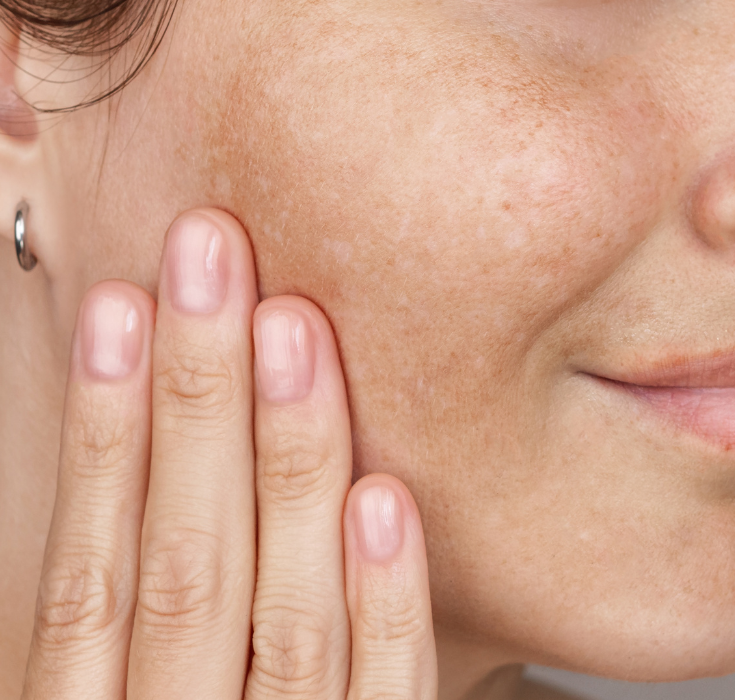

  •     Accelerates the process of cell renewal
  •     Reduces acne and normalizes pigmentation
  •     Stimulates the production of collagen and elastin
  •     Visibly improves  skin texture
  •     Reduces surface wrinkles & imperfections
  •     Personalized treatment and no extended recovery time

Number of sessions

Applications of Photobiodynamic Therapy – Peeling

This treatment is indicated for several skin concerns, both in young and mature skin:

  •     Active or comedogenic acne
  •     Pigment spots (melasma, post-inflammatory hyperpigmentation)
  •     Rosacea and persistent redness
  •     Fine wrinkles and skin with signs of aging
  •     Dull skin, with an uneven texture or enlarged pores

The effects become visible gradually over the first few sessions, with improved texture, radiance, and skin evenness. The duration of the results depends on the skin type, the condition being treated and the home care routine. Periodic maintenance sessions may be recommended to prolong the benefits and preserve skin health.

At IDC.Clinic, peeling with Photobiodynamic Therapy is performed exclusively by a doctor or nurse trained in aesthetic medicine, using certified products and safe techniques, always adapted to the skin type and specific needs of each patient. This approach ensures clinical efficacy, safety, and balanced outcomes.

  •     Avoid direct sun exposure for at least 1 week after treatment
  •     Use sunscreen with factor 50+ daily
  •     Avoid make-up for the first 12 hours
  •     Temporarily suspend the use of acids, retinol, or exfoliants
  • Moisturize your skin well and maintain a care routine recommended by the professional

Are you considering a treatment with Photobiodynamic Therapy – Peeling?

Schedule an evaluation appointment at IDC.Clinic. We will analyze the condition of your skin, define the most appropriate protocol and propose a personalized clinical plan — focusing on progressive, natural and scientifically supported results.

At IDC.Clinic, we believe in proven results. Explore the clinical case gallery and see the real impact of this treatment.

Results

Faqs

Peeling with Photobiodynamic Therapy is indicated for:

  •     Inflammatory and comedogenic acne
  •     Oily skin or skin with enlarged pores
  •     Superficial spots and hyperpigmentation
  •     Uneven texture and fine wrinkles
  •     Sensitive skin, with signs of fatigue or reactivity

No. Despite being very effective in the treatment of active acne, Photobiodynamic Therapy also works to improve skin texture, reduce blemishes, oiliness, enlarged pores and signs of premature aging. It is a safe and versatile option for skin that needs regeneration without aggressiveness.

No. The treatment is painless and well tolerated by all skin types. A mild warm sensation may be felt during exposure to LED light, but without significant pain or discomfort.

It is a non-invasive treatment and considered safe. Mild effects such as mild redness, fine flaking or tightness may occur, which disappear spontaneously within a few days.

It is recommended:

  •     Avoid direct sun for the first 7 days
  •     Use sunscreen with a factor of 50+ every day
  •     Avoid make-up in the first 24 hours
  •     Moisturize the skin well and avoid exfoliating or abrasive products

The ideal protocol varies depending on the condition of the skin, but generally 3 to 6 sessions are indicated, with variable intervals between individuals The frequency and total number will be adjusted during the clinical evaluation.

The first results — such as more luminosity, better texture and reduction of redness — appear soon after the first or second session. The improvement continues progressively.

The treatment is contraindicated for:

  •     Pregnant and breastfeeding women
  •     People with photosensitivity or who take photosensitizing medications
  •     Skin with open wounds, lesions or active infections
  •     Cases of cutaneous autoimmune diseases (such as lupus or vitiligo) or a history of skin cancer

Medical evaluation is always essential before starting any protocol.

Photobiodynamic Therapy associates the use of a mild chemical peel with the action of LED light, allowing more effective results with less aggression and shorter recovery time. Traditional peels, on the other hand  , use higher concentrations of acids, which can cause intense peeling and require extra care in the post-treatment. The choice between the two depends on the skin type, skin sensitivity and clinical goals.

SPECIALTIES

We use high-quality materials and techniques, as well as different protocols, to ensure the best results.

Hyaluronic Acid

Hyaluronic Acid

Learn more
Botulinum Toxin

Botulinum Toxin

Learn more
PRP Facial

PRP Facial

Learn more
Mesotherapy

Mesotherapy

Learn more
Microneedling

Microneedling

Learn more