Dental veneers are thin ceramic shells placed on the visible surface of the teeth to correct imperfections in shape, volume or color. This minimally invasive cosmetic treatment can subtly transform the smile, creating a more balanced and brighter appearance.
At IDC.Clinic, personalized digital planning ensures that each veneer is precisely adapted to the patient’s facial proportions, smile line and dental structure.
Book appointment
Veneers are ideal for patients with stable oral health who wish to improve the appearance of their smile, especially in the anterior teeth. They are indicated in cases such as:
A clinical evaluation is essential to determine whether the patient meets all the necessary conditions to proceed with the treatment.
Book appointmentDental veneers offer multiple benefits, both aesthetic and functional:

To ensure the long-term appearance and durability of veneers, patients should:
Clinical photographs and diagnostic impressions are taken to plan the results in a personalized way, according to the patient’s facial proportions and aesthetic objectives.
Minimal reduction of the tooth surface is carried out. On the same day, temporary veneers are placed to protect the teeth and preview the final result.
After the adaptation phase and soft tissue healing, the definitive veneers are bonded with precision using safe and long-lasting adhesive techniques.
At IDC.Clinic, each treatment is planned with aesthetic and clinical precision by experienced dentists focused on delivering natural results.
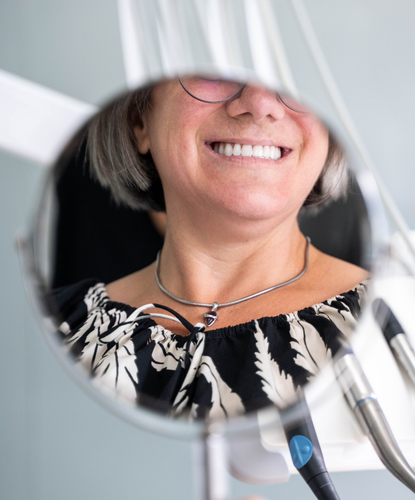
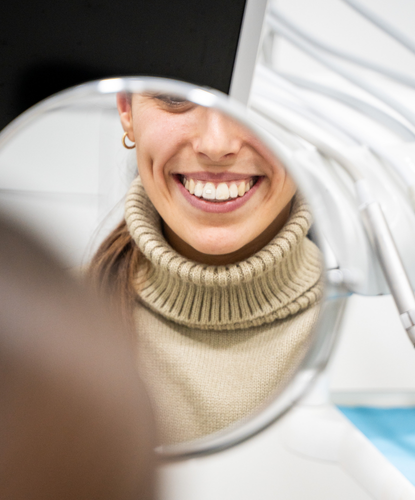
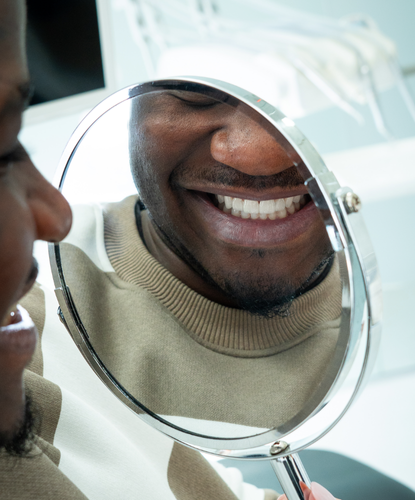
Explore our clinical case gallery to see real patient transformations. Book your consultation today.
Results
Veneers require minimal but irreversible tooth surface reduction. Although the result is long-lasting, the treatment is considered permanent. If needed, veneers can be replaced with new ones.
Ceramic veneers, when well maintained, can last 10 to 15 years or more. Longevity depends on oral hygiene, eating habits, and regular follow-up.
Ceramic veneers are highly stain-resistant and maintain their color. However, good oral hygiene and limiting the intake of staining substances help preserve their natural shine.
No. The process is minimally invasive and usually performed under light local anesthesia. Temporary veneers protect the teeth during the treatment phase.
The treatment is most commonly used on front teeth for aesthetic purposes. Suitability depends on tooth structure, bite and patient expectations. Clinical evaluation will determine the indication.
Not always. In cases of mild misalignment, veneers may correct imperfections without the need for orthodontics. If the misalignment is more pronounced, preliminary orthodontic treatment may be necessary.
Yes. When deep stains or color alterations do not respond to whitening, veneers are an effective alternative for restoring smile aesthetics.
Veneers are resistant, but not indestructible. You should avoid biting hard objects, opening packages with your teeth, or chewing hard foods. If bruxism is present, wearing a night guard is essential.