Oral implantology is a branch of oral surgery focused on the rehabilitation of missing teeth through the placement of dental implants.
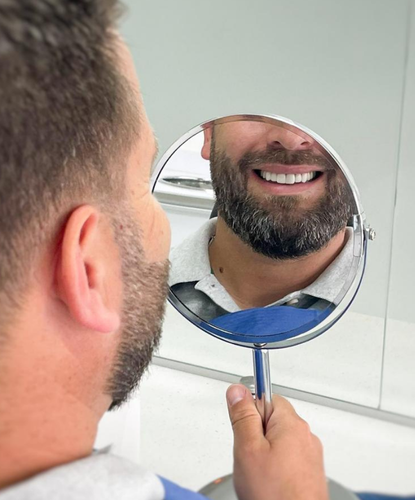
Using advanced techniques and technologies, this specialty restores masticatory function, diction, smile aesthetics and patient self-esteem in a safe, effective and lasting way.
The absence of one or more teeth can lead to several functional and aesthetic issues, directly affecting oral health and overall quality of life.
The main consequences of tooth loss include:
Book appointment
A dental implant is a titanium or zirconia structure surgically placed into the jawbone to replace the root of a missing tooth.
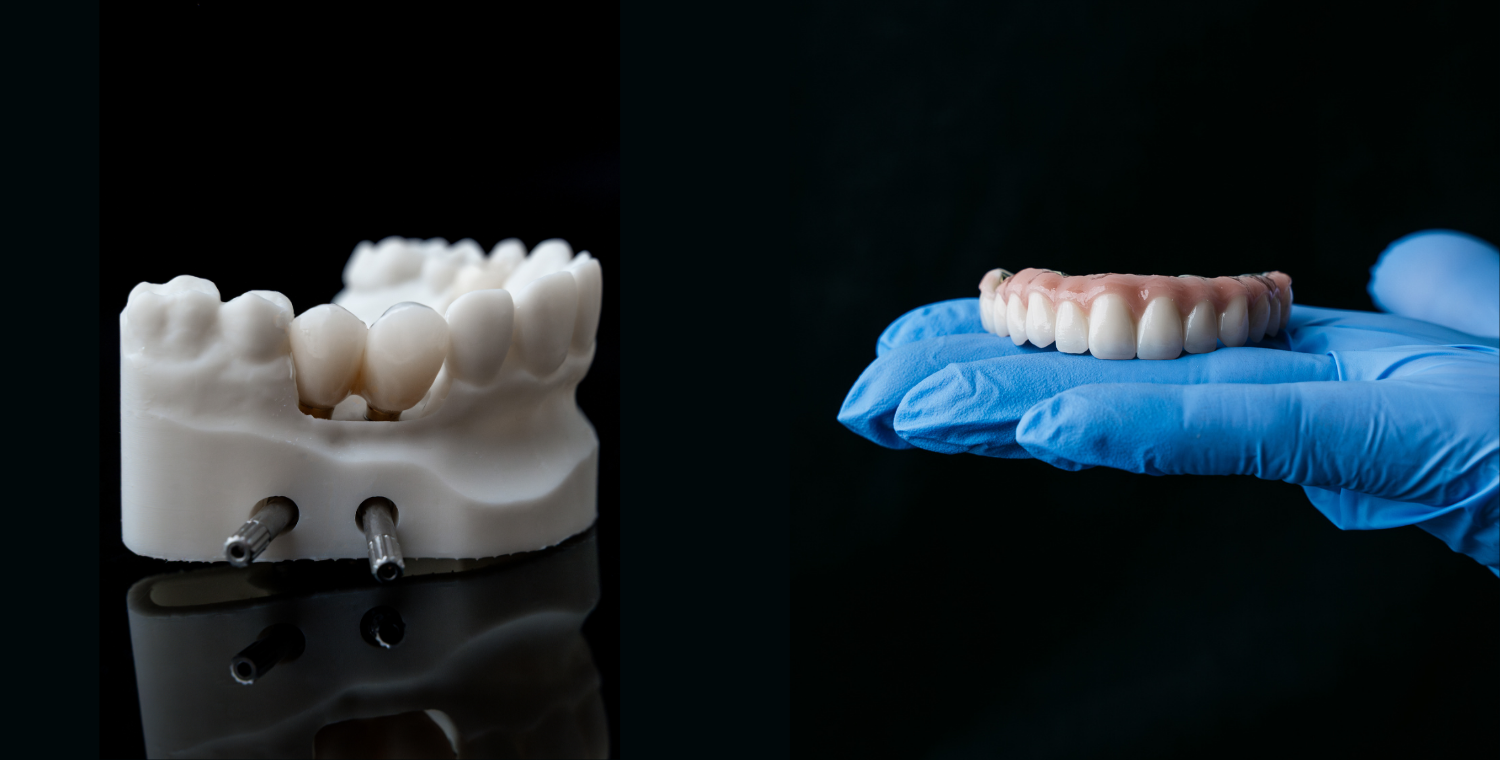
A crown, bridge, or full fixed prosthesis is then placed over the implant, carefully designed to replicate the appearance and function of a natural tooth.
Dental implants are an effective solution for tooth replacement, offering a fixed, comfortable, and durable structure. They restore chewing function, improve smile aesthetics, preserve adjacent teeth, and help prevent jawbone loss.
Learn More
Dental implants are suitable for:
Before starting treatment, a thorough clinical evaluation is carried out to confirm whether the patient meets the ideal conditions for implant placement.
Book appointmentChoosing dental implants offers numerous functional and aesthetic benefits:
To ensure patient comfort and peace of mind during implant procedures, IDC.Clinic offers several options:
At IDC.Clinic, our patient manager provide personalised support to each patient, from the very first contact through to the completion of treatment, ensuring dedicated care and continuous guidance throughout the entire process.
The first step in implant treatment is a pre-surgical consultation.
During this phase, the dentist performs a complete oral health assessment, defines treatment objectives, and requests diagnostic exams.
Based on this information, a digital treatment plan is created to match the patient’s needs, ensuring greater precision and safety throughout the process.
The second stage involves the surgical placement of the dental implants — a safe procedure usually performed under local anaesthesia. It may also be combined with conscious sedation or, in specific cases, general anaesthesia.
Depending on the case, a temporary crown or fixed prosthesis is placed on the same day to provide immediate aesthetics and functionality.
Following surgery, the implants undergo osseointegration — a natural process where the implant progressively fuses with the jawbone, ensuring long-term stability and durability.
This integration phase typically lasts 3 to 6 months, depending on the clinical case.
During this time, follow-up appointments are scheduled to monitor healing and support successful implant integration.
Once osseointegration is complete, the temporary structure is replaced with a definitive prosthesis (crown, bridge, or full fixed denture), delivering a functional, comfortable, and aesthetically pleasing solution.
Follow-up and Maintenance
Once the treatment is completed, regular follow-up is essential. Check-up and hygiene appointments are carried out with the goal of preserving:
Proper oral hygiene at home, combined with clinical follow-up, is essential for the long-term success of dental implant treatment.
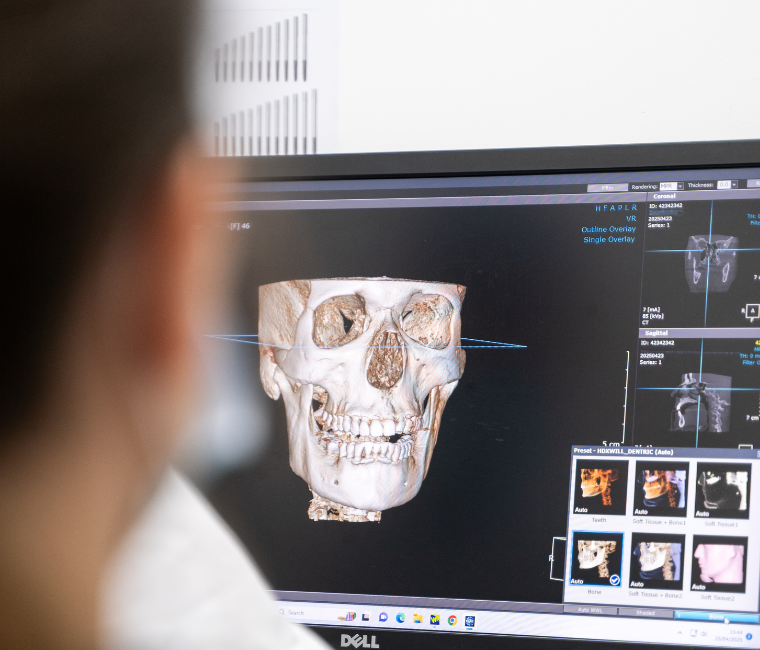
In cases of total tooth loss or severe dental deterioration, it’s essential to choose a solution that restores not only chewing function but also smile aesthetics and self-confidence.
The most effective and comfortable option in such cases is a fixed prosthesis on implants.
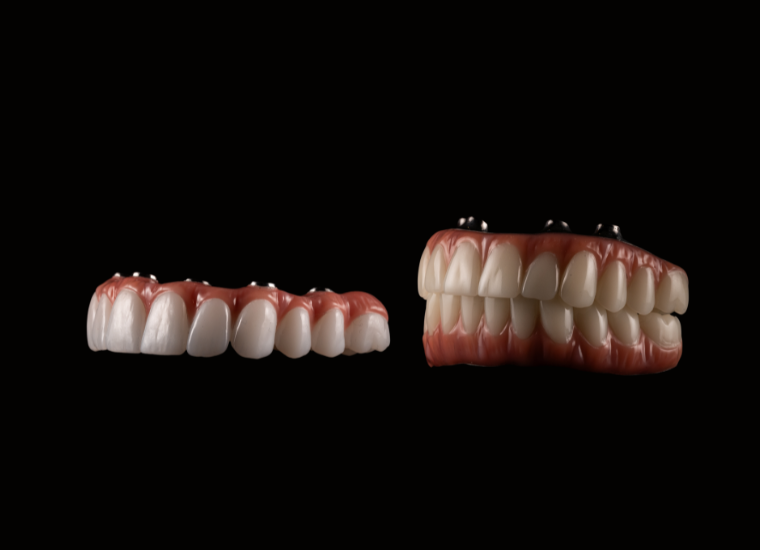
This treatment involves placing 4 to 6 implants per dental arch (depending on the quantity and quality of available bone) to support a fixed prosthesis, typically composed of 12 artificial teeth, with a natural appearance adapted to each patient.
Among the most advanced techniques for fixed prostheses on implantes are the All-on-4, All-on-6 systems, and zygomatic implants, adapted to the clinical needs of each patient.
All-on-4
The All-on-4 system, or four-implant fixed prosthesis, involves the strategic placement of four dental implants to support a full fixed prosthesis. It is recommended for clinical cases with moderate bone loss, allowing for an effective and less invasive rehabilitation.
All-on-6
The six-implant fixed prosthesis, also known as All-on-6, is recommended for clinical cases with good bone availability, allowing for a more solid and stable support. With six dental implants strategically distributed along the arch, this technique provides a strong foundation for full oral rehabilitation, ensuring better distribution of chewing forces and long-lasting results.
Zygomatic Implants
In cases of severe bone loss in the upper jaw, where traditional implants are not feasible, zygomatic implants offer a safe and effective alternative.
These longer implants are anchored in the cheekbone (zygoma), eliminating the need for bone grafting and enabling fixed prostheses even in complex cases.
At IDC.Clinic, our patient manager provide personalised support to each patient, from the very first contact through to the completion of treatment, ensuring dedicated care and continuous guidance throughout the entire process.
The first step in implant treatment is a pre-surgical consultation.
During this phase, the dentist performs a complete oral health assessment, defines treatment objectives, and requests diagnostic exams.
Based on this information, a digital treatment plan is created to match the patient’s needs, ensuring greater precision and safety throughout the process.
The second stage involves the surgical placement of the dental implants — a safe procedure usually performed under local anaesthesia. It may also be combined with conscious sedation or, in specific cases, general anaesthesia.
Depending on the case, a temporary crown or fixed prosthesis is placed on the same day to provide immediate aesthetics and functionality.
Following surgery, the implants undergo osseointegration — a natural process where the implant progressively fuses with the jawbone, ensuring long-term stability and durability.
This integration phase typically lasts 3 to 6 months, depending on the clinical case.
During this time, follow-up appointments are scheduled to monitor healing and support successful implant integration.
Once osseointegration is complete, the temporary structure is replaced with a definitive prosthesis (crown, bridge, or full fixed denture), delivering a functional, comfortable, and aesthetically pleasing solution.
Follow-up and Maintenance
Once the treatment is completed, regular follow-up is essential. Check-up and hygiene appointments are carried out with the goal of preserving:
Proper oral hygiene at home, combined with clinical follow-up, is essential for the long-term success of dental implant treatment.
Dental implants may not be recommended in certain clinical situations, such as:
During the first two days, it’s essential to rest and follow your dentist’s post-operative instructions to control pain, prevent infection, and ensure proper healing.
Swelling is common and typically subsides within 2 to 3 days.
Osseointegration — the natural fusion between the implant and bone — generally takes 3 to 6 months.
Implant surgery is performed under local anaesthesia, making it painless.
For added comfort, conscious sedation may be used.
After surgery, patients may experience mild to moderate discomfort, which can be managed with prescribed pain medication.
Dental implants offer several advantages compared to removable dentures:
With good oral hygiene and regular check-ups, dental implants can last 20 years or more.
The implant structure is extremely durable, but the fixed prosthesis placed on top may require replacement over time.
When properly cared for, implants offer a safe, stable, and long-lasting solution.
After implant surgery, it is essential to: