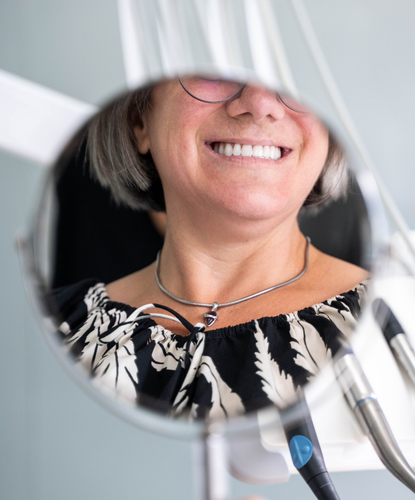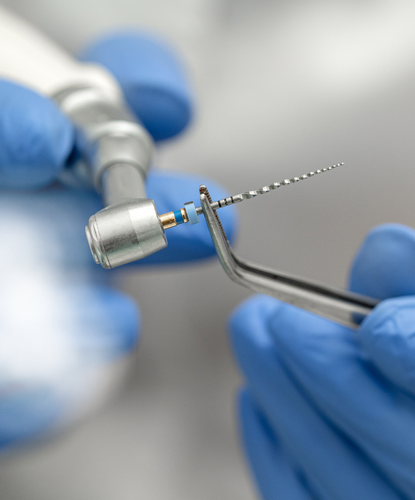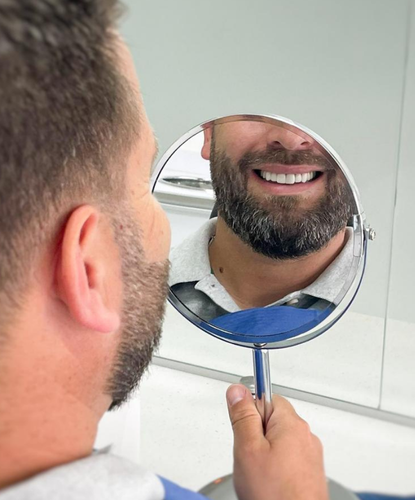
Oral hygiene is the foundation of prevention in dental medicine. More than a simple cleaning procedure, it is a clinical intervention essential for removing tartar and bacterial plaque, while preventing complications such as cavities, gingivitis, or periodontitis. Its regular practice helps preserve natural teeth, maintain gum health, and avoid more complex treatments in the future.
At IDC.Clinic, each session is adapted to the patient’s oral health status, with close attention to comfort and personalization. We use advanced technology to ensure effective, long-lasting, and visible results from the very first appointment.
Book appointment
This treatment is recommended for all individuals, regardless of age. In particular, it is indicated for:
The frequency of appointments must be determined by the dental medical doctor, depending on each patient’s individual risk.
Book appointmentMaintaining regular clinical oral hygiene significantly contributes to overall health. The main benefits include:

A clean and healthy mouth has a positive impact on the entire body.
After an oral hygiene session, it is recommended to:
These measures help maintain results for longer and prevent complications.
The oral hygiene appointment follows a clinical protocol that includes:
Prevention is always the best treatment. At IDC.Clinic, each oral hygiene session is performed with clinical precision, a focus on comfort, and full personalization.
Explore our clinical gallery and see how a simple step can make a big difference in the health of your mouth.
Schedule your appointment and keep your smile clean, healthy, and protected — with comfort, effectiveness, and personalized care.
Results
It is recommended to schedule an oral hygiene appointment every 6 months. However, in specific cases — such as patients with periodontal disease, orthodontic appliances, or high risk of cavities — the dental medical doctor may recommend more frequent visits.
No. Daily brushing and flossing remain essential. Professional cleaning complements these habits by removing accumulated tartar and controlling gum inflammation.
In most cases, the procedure is well tolerated. It may cause mild discomfort in more sensitive areas, but it is carried out using careful techniques and, when necessary, local anesthesia.
No. Oral hygiene performed by qualified professionals does not damage the enamel. On the contrary, it helps preserve tooth integrity by eliminating tartar and preventing disease.
The accumulation of plaque and tartar can lead to gum inflammation, bad breath, bleeding, and — in more advanced cases — periodontal disease and tooth loss.
Yes. Tongue cleaning can be included, especially in cases of coating (whitish residues) associated with bad breath. The dental medical doctor may recommend proper techniques and tools for your daily routine.
Yes. From the eruption of the first permanent teeth, oral hygiene appointments are essential to prevent cavities and to teach proper brushing habits from an early age.